Comparison
Electric SUP Motor vs Electric Fin
How the terms electric SUP motor and electric fin are used, and how to compare setups by mounting, published specifications, batteries, and a fit review rather than by the name alone.
Direct answer
Shoppers often use electric SUP motor and electric fin for the same idea: an electric assist unit mounted at the board, usually in the fin area. The useful comparison is not the marketing name, but the mounting method, the published specifications, the battery system, and whether fit has been reviewed for your board. A different name does not mean a different standard of compatibility.
Key takeaways
- People search both terms; they often point to the same kind of electric assist for a paddle board.
- Compare mounting, published specifications, battery options, and carry weight, not the label alone.
- A fit review is still required, whatever name is used in a product title or a search query.
- Use supplier-stated figures from current product pages, and omit unconfirmed claims.
- If you paddle a kayak, look at kayak-specific setups rather than assuming a board unit will transfer.
What is being compared
Electric SUP motor and electric fin are both common search terms. In practice they usually describe a compact electric assist system that attaches at the tail of a stand-up paddle board, often where a conventional fin would sit, and is powered by a removable battery with a handheld or wrist remote.
SupDrive uses motor and propulsion language on product pages, and this guide treats electric fin as a phrase many paddlers still type when they are looking for that same category. The comparison that matters is between real configurations, not between two invented product classes.
Evidence and comparison criteria
- Mounting: what interface the unit needs, and whether an adapter must be confirmed for your board.
- Published output: motor power or maximum thrust, but only where the product page actually lists a supplier-stated figure.
- Control: how many assist levels are published, and how the remote is used.
- Battery: which pack options are listed, and whether inclusion still needs to be confirmed.
- Weight: motor weight without the battery, plus the published weight of the pack you expect to carry.
- Support: installation guidance, fit review, and after-sales contact.
Comparison table
| Question to ask | Why it matters | Where to check |
|---|---|---|
| Will it mount to my board? | A name in a search result does not confirm fit. | Compatibility review with photos |
| Which figures are actually published? | Some pages list power, some list thrust, and some omit one or the other. | The current product specification table |
| What battery is offered? | The pack usually weighs more than the motor and affects how you travel. | Battery options on the product page |
| Is this a board or kayak configuration? | Hull, mount, and geometry differ. | The SUP motor or kayak motor collection |
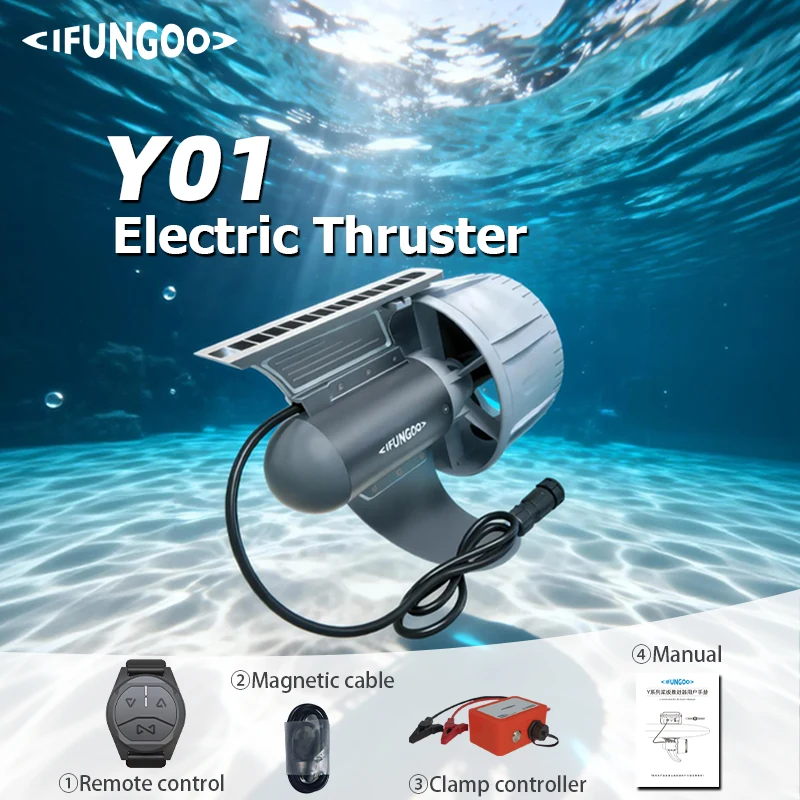
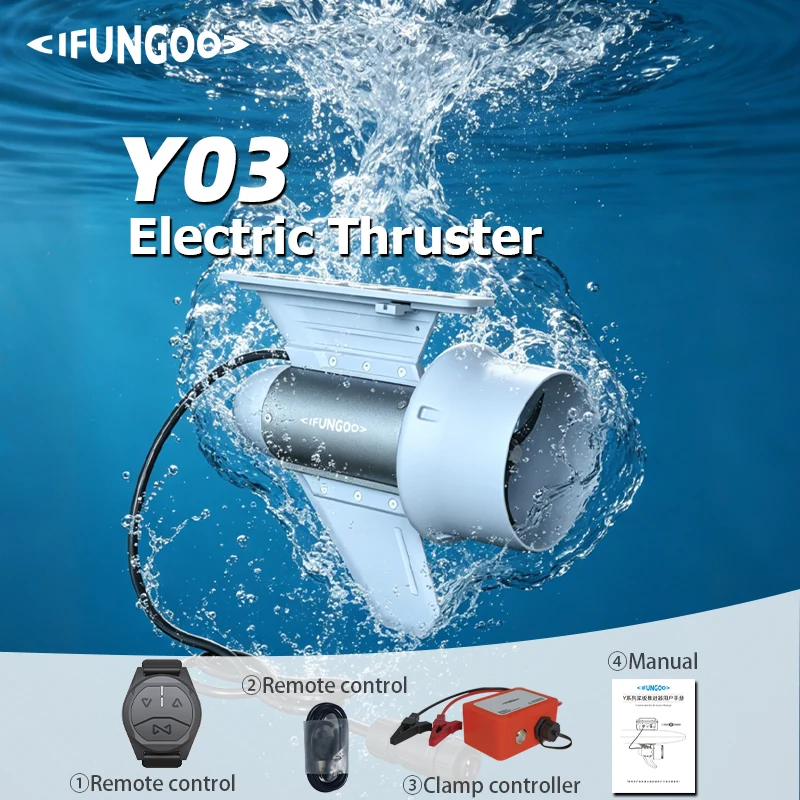
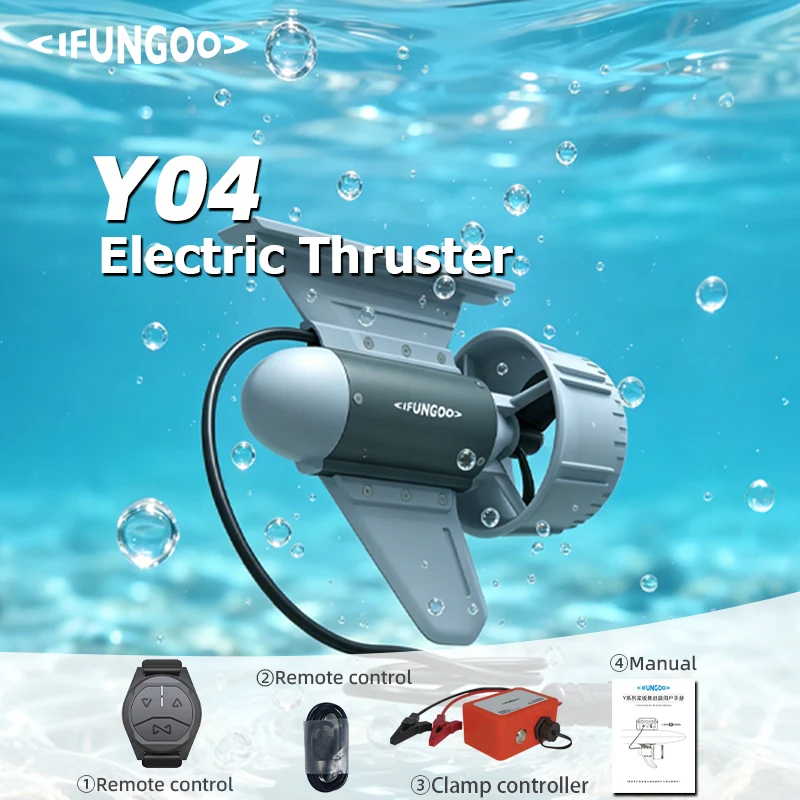
In the current E-PADDLE paddle board range, Lite publishes 330 W and a 1.24 kg motor weight without battery, but not a thrust figure. Tour publishes 10 kg maximum thrust and a 1.2 kg motor weight, but not a power figure. Pro publishes both 600 W and 13.5 kg maximum thrust, with a 1.6 kg motor weight. All three use four control levels and a wireless wrist remote. Those are the comparable fields available today.
Related products
Trade-offs and limitations
A higher published power or thrust figure does not automatically mean a better day on the water. It can also mean a heavier pack, a different battery option, and a stricter need to confirm that your board and mounting space can take the system. The opposite is also true: a compact entry setup is not automatically the right choice for longer routes just because it is lighter.
This comparison also cannot settle legal use, transport, or local water rules. Those depend on where you paddle and how you travel with a battery, and they have to be confirmed for your destination. It also cannot turn a board setup into a kayak setup without a dedicated mount review.
Next steps
If you arrived here because a search used one term and the product pages use another, you can ignore the label and continue with a fit check plus a comparison of published specifications. The product finder and the shop collections are the shortest paths into that review.
Frequently asked questions
Is an electric fin different from an electric SUP motor?
In most shopping searches, the two phrases point to the same kind of assist system mounted at the board. Compare the actual mounting method, published specifications, and battery options rather than deciding from the name.
Which term does SupDrive use?
Product pages use motor and propulsion language, such as electric SUP motor. This guide still explains the electric fin wording because that is how many people search.
Can I install a board unit on a kayak if the names sound similar?
Not without a dedicated review. Kayak Tour and Kayak Pro are listed as kayak configurations with kayak mounting adapters. A board setup should not be assumed to transfer.
What should I compare if one model is missing a figure?
Compare the fields that are published and treat missing fields as unknown, not as zeros or as a reason to invent a number. Ask a specialist if that missing field is important to your decision.