Knowledge base
Motor Weight vs Total System Weight
Why the published motor weight is only part of what you carry, and how to add the battery, mount, and packing items before you compare setups.
Direct answer
The motor weight listed on a product page is usually the drive unit without the battery. The weight you actually carry also includes the battery pack, the mounting hardware, and any charger or travel case included in your quote. Add the published figures first, then confirm the remaining items before you compare setups or plan travel.
Key takeaways
- Published motor weight is typically the drive unit without the battery.
- The battery often weighs more than the motor and should be added from the current product page.
- Mounting hardware, a charger, and packing accessories can add more weight that is not always listed beside the motor.
- Compare total carry weight for the exact configuration you expect to receive.
- Confirm transport and packing rules for your route; this guide does not invent airline or carrier limits.
What motor weight usually means
When a product page lists motor weight, it is usually describing the propulsion unit on its own. That number is useful for understanding the size of the drive, but it is not the same as the bag or board load you will handle at the beach, the car, or a transit point.
In the current E-PADDLE paddle board range, Lite publishes a motor weight of 1.24 kg without battery, Tour publishes 1.2 kg, and Pro publishes 1.6 kg. Those figures are close to each other. The larger differences appear when you add the published battery weights.
How to build a total
- Start with the published motor weight without battery.
- Add the published weight of the exact battery option you expect to use.
- Ask which mount, charger, and packing items will be included, and add those once they are confirmed.
- If you will carry a spare pack, add that pack as well.
- Keep the total next to your usual board and luggage weight so the travel plan is realistic.
Published examples
| Setup | Published motor weight | Published battery | Simple published total |
|---|---|---|---|
| Lite with Standard Battery | 1.24 kg | 333Wh, 2.73 kg | 3.97 kg before mount and charger |
| Tour with Extended Range Battery | 1.2 kg | 666Wh, 5.5 kg | 6.7 kg before mount and charger |
| Pro with 800Wh-class battery | 1.6 kg | 799.2 Wh, 4.7 kg | 6.3 kg before mount and charger |
| Pro with 1920Wh battery | 1.6 kg | 1920Wh, 13.8 kg | 15.4 kg before mount and charger |
Two details are easy to miss. First, the 800Wh-class pack is lighter than the 666Wh pack in the published figures, because the 800Wh-class battery is listed as a 4.7 kg ternary lithium pack, while the 666Wh battery is a 5.5 kg LiFePO₄ pack. Second, the Pro total changes sharply once you move from the 800Wh-class option to the 1920Wh pack. The motor weight alone does not show that difference.
Related products


What this total still leaves out
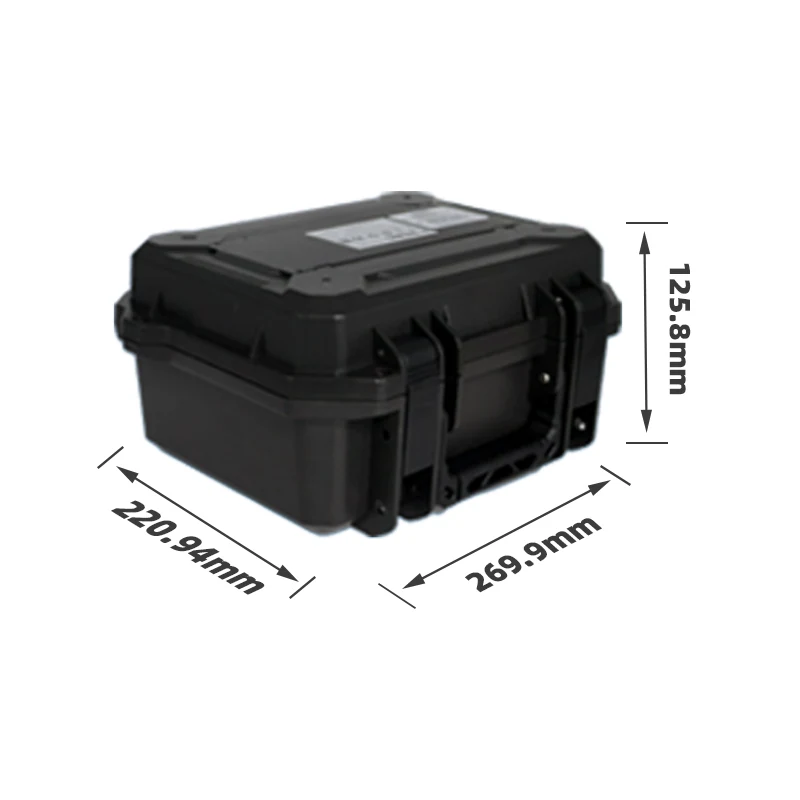
The simple published totals above do not include the mounting adapter, charger, cables, or any travel case, because those items still need to be confirmed in the quote. They also do not include the paddle board or kayak itself. If you are comparing the effort of a walk-in, a roof-rack load, or a trip with stairs, use the complete set you will actually carry.
Transport rules are a separate question. Airlines, trains, and other carriers can treat batteries differently by chemistry, watt-hours, and packing method. This guide does not list those limits, because they depend on the operator and the route and have to be confirmed for your destination.
Next steps
When you request a quote, ask for the motor, the exact battery option, and the list of included items with their weights if they are available. That is more useful than comparing motor-only figures. If you are still choosing among Lite, Tour, and Pro, use the product finder and the current specification tables together.
Frequently asked questions
Does the listed motor weight include the battery?
On the current product pages, motor weight is stated without the battery. Add the published battery weight for the pack you expect to use, then confirm any remaining hardware.
Why can an 800Wh-class pack be lighter than a 666Wh pack?
Because the published figures use different pack designs. The 800Wh-class battery is listed as 4.7 kg, and the 666Wh battery is listed as 5.5 kg. Use the current page figures rather than assuming a larger capacity is always heavier.
Can I take these batteries on a plane?
That depends on the carrier, the route, and how the pack is packed. This guide does not invent a travel rule. Confirm the requirement with the operator before you travel.
What weight should I use to compare Lite, Tour, and Pro?
Compare the motor plus the published battery you would actually choose, then add confirmed mount and charger items. Motor-only figures hide most of the difference.