Compatibility guide
How to Choose an Electric Motor for an Inflatable Paddle Board
A practical way to consider an electric motor for an inflatable paddle board: confirm the fin box and mounting space first, then compare published motor and battery weights, and treat fit as a review rather than a universal match.
Direct answer
An inflatable paddle board can use an electric motor only when the mounting interface and the board itself have been reviewed for that setup. Start by identifying the fin box and sending clear photos; a similar board or a familiar box name is not an approval. Then compare the published motor and battery weights with the way you paddle, and leave unconfirmed speed or runtime figures out of the decision.
Key takeaways
- Confirm the inflatable board's mounting interface before comparing models or placing an order.
- Share close-up photos of the fin box, the tail area, and the board brand and model for a specialist review.
- Add the published battery weight to the motor weight; the pack is usually the heavier part of the system.
- Use only supplier-stated figures from current product pages, and omit unconfirmed speed or runtime claims.
- Do not assume that a kayak setup, another inflatable, or a hard board with a similar look will share the same adapter.
The core question
Many paddlers want electric assist on an inflatable stand-up paddle board because the board is easier to store and carry to the water. The useful question is not whether inflatable boards can take a motor in general, but whether your board's mounting interface, tail space, and carrying setup can be reviewed and matched to a published configuration.
SupDrive lists electric SUP motors for compatible inflatable and hard paddle boards. Compatibility is still a review, not a category-wide approval. Two inflatable boards can look similar and still need different adapters, or one of them may not be a suitable mount at all.
Confirm the mounting interface first
Most board-mounted systems sit at the tail, often where a conventional fin would go, and need a board-specific mounting adapter. On an inflatable board, start by documenting the actual fin box or track: its shape, length, screw or lock style, and the clear space around it. Do this with the board fully inflated, because the box and the surrounding tail can look different when the board is soft or folded.
A written box name such as US box or slide-in can help a reviewer, but it is not enough on its own. Repairs, extended boxes, aftermarket tracks, and mixed standards are easy to miss in a single casual photo. The fin-box guide explains how to photograph and measure the interface so a specialist can review fit without treating a visual guess as approval.
- Board brand, model, and approximate year, if you know them.
- A straight-on close-up of the empty fin box or track, plus a side or three-quarter view of the tail.
- A photo that shows how much flat, unobstructed area sits around the box.
- A note on whether the box is original, repaired, extended, or an aftermarket addition.
- How you usually use the board: short leisure paddles, fishing, or longer everyday routes.
Compare published system weight, not just the motor
The motor weight on a product page is only part of what you will carry and place on the board. For an inflatable, the combined motor, battery, and mount matter because the pack is usually heavier than the drive unit and sits on the deck.
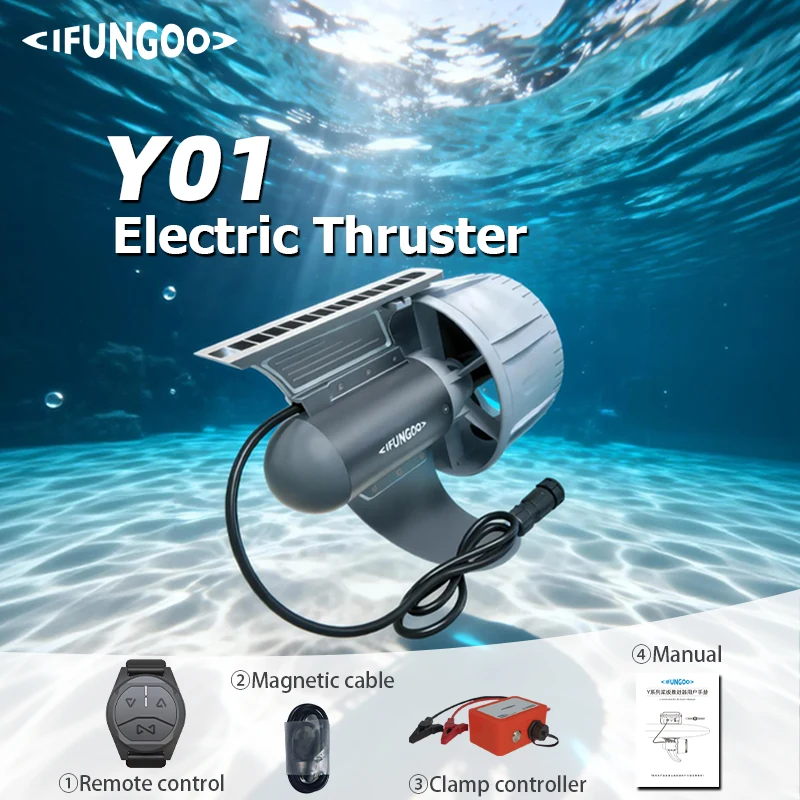
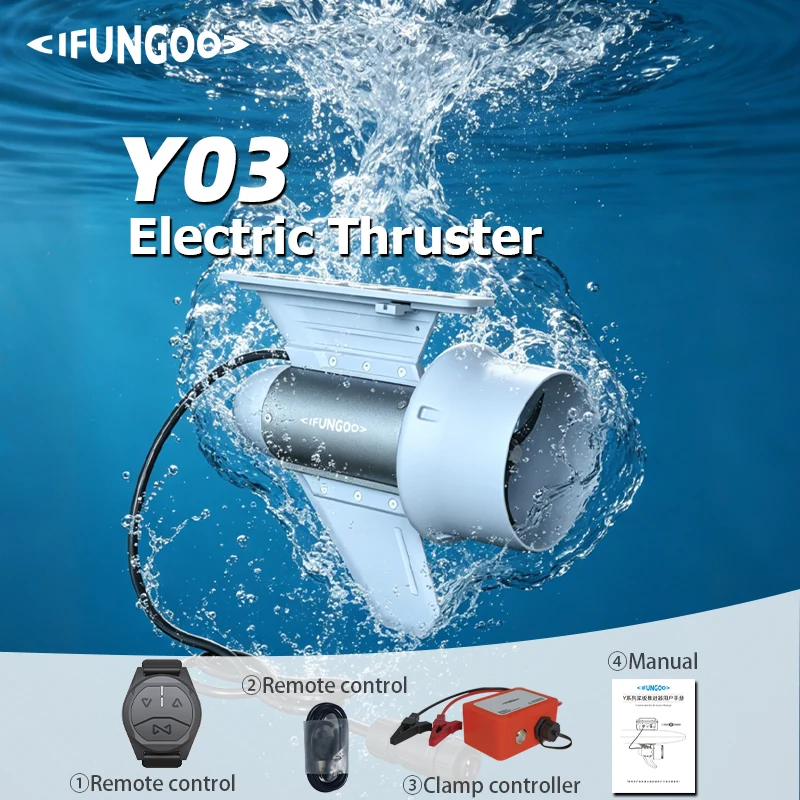
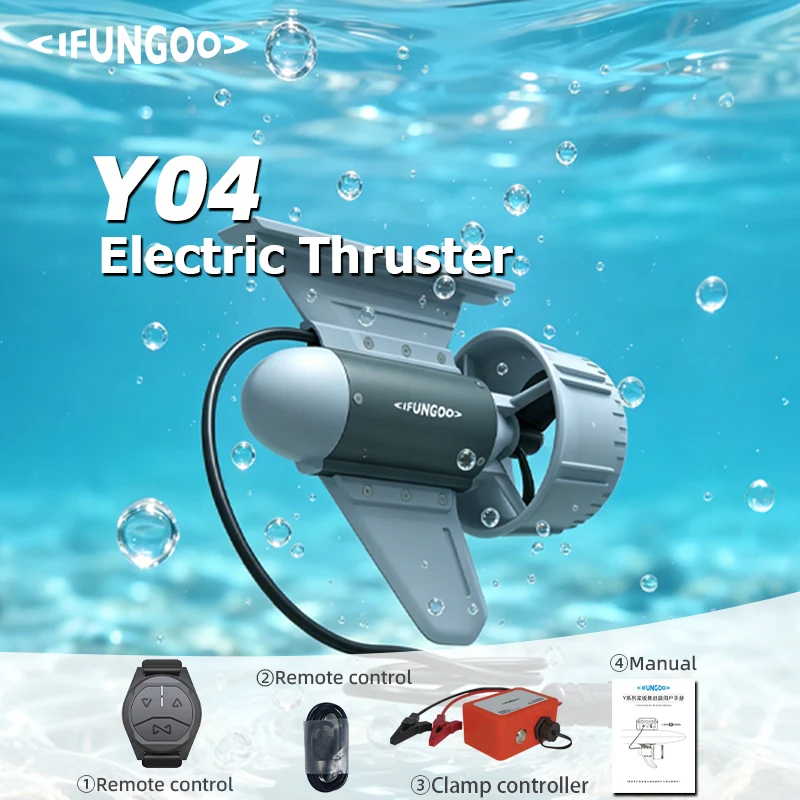
In the current E-PADDLE paddle board range, Lite publishes a 330 W motor at 1.24 kg and the 333Wh Standard Battery at 2.73 kg. Tour publishes 10 kg maximum thrust, a 1.2 kg motor, and the 666Wh Extended Range Battery at 5.5 kg. Pro publishes 600 W, 13.5 kg maximum thrust, a 1.6 kg motor, and either the 800Wh Long Range Battery at 4.7 kg or the 1920Wh Ultra Long Range Battery at 13.8 kg. Lite does not currently publish a thrust figure; Tour does not currently publish a power figure. All three list four control levels and a wireless wrist remote.
Those figures are useful for comparing how much extra mass you are adding, not for predicting speed or how long a charge will last on your board. A larger published battery can support a longer day in principle, but it also adds weight and size that should be part of the fit review. Confirm whether the battery, charger, and adapter are included in the quote.
Related products
What this review cannot settle by itself
A product page cannot approve every inflatable board, and this guide does not assign a stiffness, weight, or passenger limit that the current pages do not publish. Board construction, inflation, load, and how you stand or kneel all affect whether a setup feels appropriate, and those points belong in the review with your photos and intended use.
If you also paddle a kayak, look at the kayak-specific setups rather than assuming a board unit will transfer. Local water rules and how you transport a battery are likewise outside what a product page can decide; those have to be confirmed for your destination.
Next steps
If your board is inflatable, start with a compatibility review and the fin-box photos. Add the board brand and model, a sense of how far you usually paddle, and any preference between a more compact pack and a larger published battery option. A specialist can then confirm the adapter and the configuration instead of leaving those details until you are already at the water.
Frequently asked questions
Can I put an electric motor on any inflatable paddle board?
No. SupDrive offers electric SUP motors for compatible inflatable and hard boards, but compatibility is confirmed for your board and mounting interface. A similar inflatable, a familiar box name, or a photo alone is not an approval.
What is the first thing I should check?
The mounting interface. Photograph the fin box or track on the fully inflated board, note the brand and model, and share those details for a fit review before you compare models in detail.
Which setup is lightest to carry?
In the current published range, Lite lists a 1.24 kg motor and a 2.73 kg 333Wh Standard Battery. Tour and Pro use heavier published battery options, and the 1920Wh Ultra Long Range Battery lists 13.8 kg. Compare the combined published weights, then confirm what will actually be included.
Will a heavier battery be too much for an inflatable board?
That has to be reviewed for your board and load. This guide can only repeat the published pack weights; it cannot set a board-by-board limit that the product pages do not provide.
Can I use a kayak motor on an inflatable paddle board?
Not without a dedicated review. Kayak Tour and Kayak Pro are listed as kayak configurations with kayak mounting adapters. A hull or board setup should not be assumed to transfer.